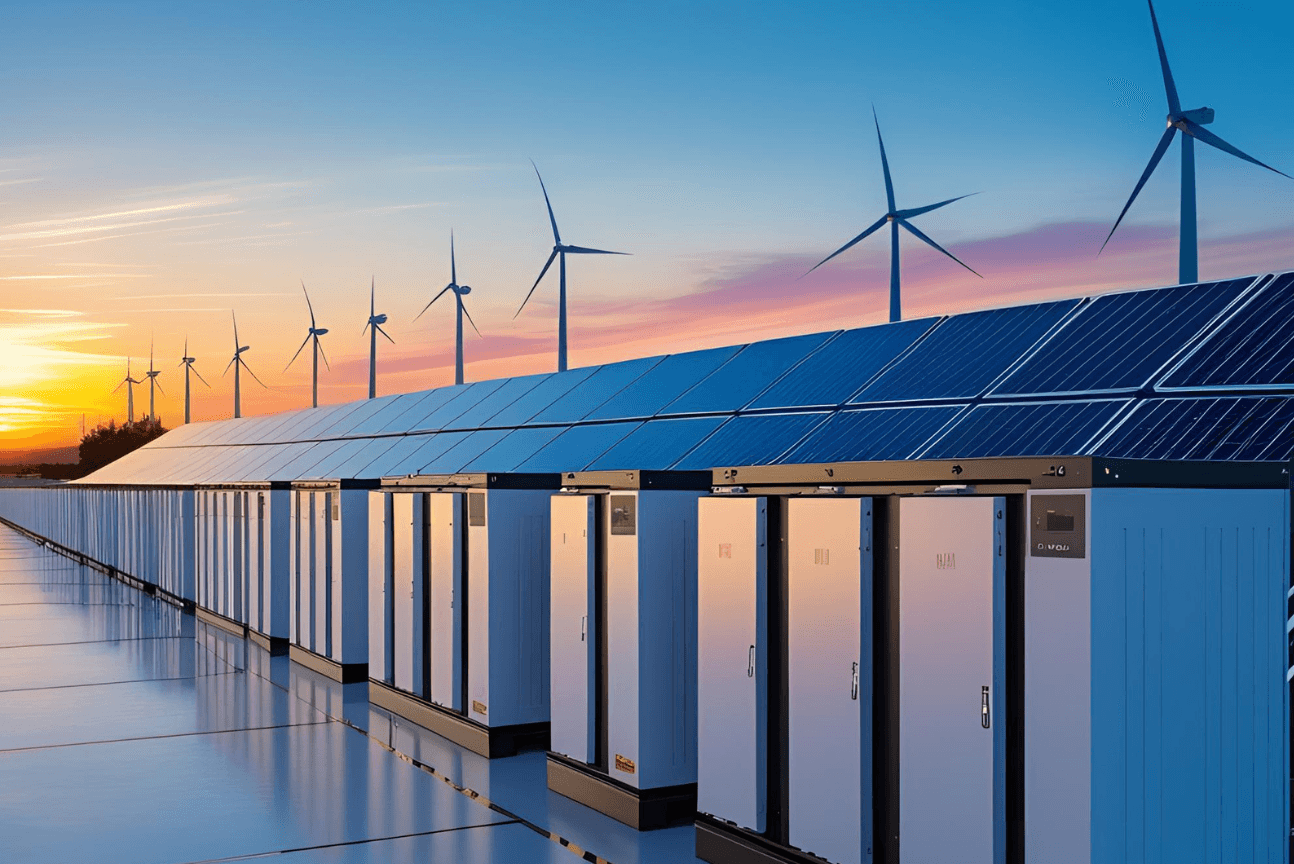
Imagine a world in which power is always accessible, clean efficient, reliable and reliable, no whatever the time of the day or weather conditions. Imagine a world where power outages are not frequent and renewable energy is completely optimized, and the cost of energy are easily attainable. This isn’t an unattainable dream, it’s the reality that is being constructed in the present by Energy Storage Systems (ESS).
Energy Storage Systems are transforming the way we create storage, use, and even consume electricity. As the demand for energy increases and renewable sources such as wind and solar become more widespread, ESS has emerged as the bridge linking sustainability and reliability.
This complete guide explains all you must be aware of about Energy Storage Systems from the way they function to their advantages, the varieties applications, types, and potential. It’s written in a dramatic simple, SEO-friendly style that adheres to E-E A-T guidelines and the most recent trends in content.
What is an Energy Storage System (ESS)?

The energy Storage System (ESS) is a technique that stores energy for later use. It takes energy from different sources and stores it in special equipment that releases it when it is required.
In simple terms:
- Energy is produced
- Energy is stored
- The energy is utilized when it is needed.
This method assures that energy is not lost and that it is accessible even when production is not high or the demand is high.
Why Energy Storage Systems Are More Important Than Ever

The world is swiftly moving towards alternative energy sources. Although wind and solar power are eco-friendly but they also have a sporadic nature. The sun isn’t always shining and the wind doesn’t always move. This is why ESS is essential.
Key Reasons ESS Matters Today
- Stabilizes the power supply
- Reduces dependency on fossil fuels
- Reduces the amount of energy wasted
- Supports integration of renewable energy
- Enhances grid reliability
- Reduces the cost of electricity over time.
Energy Storage Systems help create an equilibrium between demand and supply and ensure smoother operation for businesses, homes and other industries.
How Energy Storage Systems Work
The concept of ESS is much easier to comprehend when it is broken into three easy steps:
1. Energy Capture
Energy is extracted from sources like:
- Solar panels
- Wind turbines
- Power grids
- Generators
2. Energy Storage
The energy captured is then stored in batteries or other methods of storage. These systems are designed to store energy until it is required.
3. Energy Release
The stored energy is then released when demand is high or when the primary energy source is inaccessible.
Types of Energy Storage Systems
Different environments require different storage solutions. Here are the major kinds of ESS employed today:
1. Battery Energy Storage Systems
The most commonly used type of ESS batteries store the electricity chemically, and release it whenever required.
Advantages
- Rapid response time
- Scalable
- Reliable
- It is suitable for both businesses and homes.
2. Mechanical Storage Systems
These systems store energy by physical motion.
Examples include:
- Pumped hydro storage
- Energy systems with a Flywheel
Advantages
- Long life span
- Ideal for large-scale projects
3. Thermal Energy Storage
The thermal systems are able to store power by storing cold or heat.
Advantages
- Useful for industrial applications.
- Supports energy conservation
4. Chemical Energy Storage
Energy is stored in a chemical form and transformed back into electricity later.
Advantages
- Large capacity storage capacity
- Solutions for long-term energy
Key Components of an Energy Storage System
An ESS is comprised of several important components:
| Component |
Function |
| Battery Modules |
Storage of electrical energy |
| Inverter |
It converts the stored energy to usable energy |
| Battery Management System |
Monitors performance and safety |
| Energy Management System |
Optimizes flow of energy |
| Cooling System |
Maintains stability of temperature |
Benefits of Energy Storage Systems
Energy Storage Systems offer numerous advantages for commercial, residential industrial, and residential sectors.
1. Reliable Backup Power
ESS assures that electricity is available throughout outages, which helps prevent interruptions.
2. Cost Savings
Electricity users can store it when prices are low, and then use it when rates are high.
3. Renewable Energy Optimization
ESS optimizes the use of renewable energy sources by storing energy surpluses.
4. Reduced Carbon Footprint
Energy storage helps reduce dependence on fossil fuels, thereby promoting sustainable development of the environment.
5. Grid Stability
ESS helps to balance demand for electricity and reduces power fluctuations.
Applications of Energy Storage Systems
Energy Storage Systems are used in a variety of industries.
Residential Use
Homeowners use ESS for:
- Backup power
- Storage of solar energy
- Reduced electricity costs
Commercial Use
Businesses depend heavily on ESS to:
- Prevent downtime
- Manage peak demand
- Enhance the efficiency of your operation
Industrial Use
Industries use ESS for:
- Continuous power supply
- Energy cost management
- Grid independence
Utility-Scale Applications
Large-scale ESS supports:
- Grid stability
- Integration of renewable energy sources
- Load balancer
ESS and Renewable Energy: A Perfect Partnership
Renewable energy sources can be unpredictable. ESS makes sure that clean energy is always on hand by keeping excess power in reserve for future use.
Solar Energy Storage
Solar panels produce power throughout the daylight hours. ESS conserves energy that is not used to be used at night.
Wind Energy Storage
Wind turbines generate electricity based on the conditions of the wind. ESS assists in maintaining a steady power supply.
Challenges in Energy Storage Systems
Despite its benefits, ESS faces certain challenges.
High Initial Costs
Installation is expensive but the long-term savings can will offset the cost.
Space Requirements
Large storage systems require dedicated space.
Maintenance Needs
Regularly monitored performance ensures maximum performance and safety.
Innovations Driving the Future of ESS
Future prospects for Energy Storage Systems is promising with constant advancements like:
- Batteries with higher efficiency
- Longer lifespan technologies
- Faster charging systems
- AI-powered energy management
- Organic materials
These new technologies can enable ESS more affordable and accessible.
How to Choose the Right Energy Storage System
The right ESS is dependent on a variety of aspects:
1. Energy Needs
Examine your energy consumption daily.
2. Storage Capacity
Select a system that is compatible with your habits of use.
3. Efficiency Rating
Better efficiency translates into better performance.
4. Safety Features
Make sure you are using the latest security and monitoring systems.
5. Scalability
You must ensure that the system can be expanded when your energy requirements increase.
ESS Maintenance Tips
Regular maintenance can extend the life of your system.
- Regularly scheduled inspections
- Software updates
- Control of temperature
- Professional servicing
Environmental Impact of Energy Storage Systems
Energy Storage Systems play a significant part in reducing carbon emissions. Through promoting renewable energy, ESS contributes to cleaner air and a healthier planet.
Myths About Energy Storage Systems
Myth 1. ESS is only available to large-scale industries
The truth: ESS is available for small and large businesses as well as homes.
Myth 2 Myth 2: Energy storage is risky
The truth is that modern systems have sophisticated security features.
The Myth 3: ESS is too expensive
Truth: Often, the savings over time exceed initial costs.
The Future of Energy Storage Systems
There is a growing demand ESS is expected to rise as the world moves towards renewable energy sources. Industries, governments, and people are investing heavily in storage technology.
The future ESS solutions will include:
- Affordable
- Highly efficient
- Environment-friendly
- Accessible to everyone
Frequently Asked Questions (FAQ)
What is the expected lifespan of a storage system for energy?
The majority of systems last from 10 and 20 years, based on maintenance and usage.
Can ESS help lower the cost of electricity?
Yes, you can store energy in low-cost times and utilizing it during the peak hours.
Are ESS secure for homes?
Modern systems are built with safety features that ensure safe operation.
Can ESS be used without renewable energy sources?
Absolutely, ESS could store electricity from generators and grids.
How long does the stored power last?
It is contingent on the system’s capacity and patterns of energy consumption.
Conclusion
Energy Storage Systems are no anymore a luxury, they are now necessary. As the need for clean, reliable and affordable electricity increases, ESS stands at the leading edge to be a part of this energy revolution.
From supplying power to homes to supporting industrial processes, ESS ensures that energy is always at hand in times of need. Thanks to continuous advancements in technology the energy storage industry is shaping the future of energy storage where sustainability and reliability are in tandem.
Insuring the installation of an Energy Storage System today means planning for a better greener, more sustainable and more efficient future.