Uncategorized

Hybrid Inverters – The Smart Power Solution for Reliable and Efficient Energy

Hybrid Inverters – The Smart Power Solution for Reliable and Efficient Energy

As energy needs increase and the cost of electricity becomes more uncertain, both businesses and homeowners are searching for more efficient and more reliable power solutions. One innovation that has seen a huge increase in popularity in recent times has been the hybrid inverter. It is designed to bring together the advantages from solar power, batteries and grid power hybrid inverters are revolutionizing how we consume and manage energy.

This complete guide will explain everything you must be aware of the hybrid inverters and which ones they’re, their functions and how they operate and what they can do, their advantages, their applications, the types they are and the reasons they are regarded as the new energy technology of the future.

What Is a Hybrid Inverter?

As energy needs increase and the cost of electricity becomes more uncertain, both businesses and homeowners are searching for more efficient and more reliable power solutions. One innovation that has seen a huge increase in popularity in recent times has been the hybrid inverter. It is designed to bring together the advantages from solar power, batteries and grid power hybrid inverters are revolutionizing how we consume and manage energy.This complete guide will explain everything you must be aware of the hybrid inverters and which ones they're, their functions and how they operate and what they can do, their advantages, their applications, the types they are and the reasons they are regarded as the new energy technology of the future.
What Is a Hybrid Inverter?
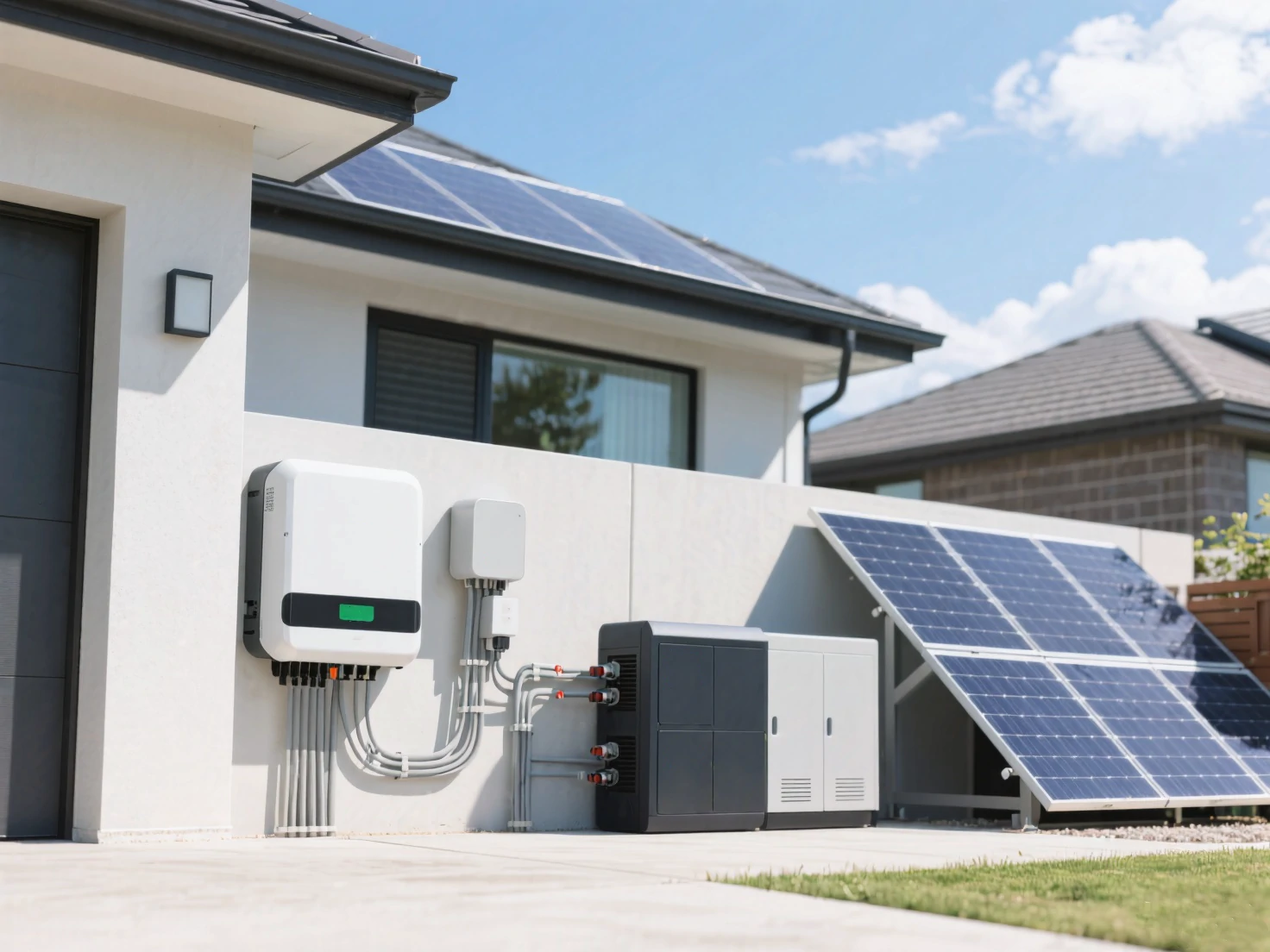
The hybrid inverter is a sophisticated energy management system that smartly integrates multiple energy sources into a single system. Contrary to conventional inverters that convert DC power generated by solar panels to AC power Inverters that are hybrid can:
Transform solar power into energy
The batteries can store excess power.
Take power from the grid if needed
Automatically switch between the power sources
This capability to manage the energy generated by solar panels, batteries, and grid creates hybrid inverters as a complete and flexible power source.
How Hybrid Inverters Work
Hybrid inverters work by constantly watching energy consumption and production. Their technology is smart and can decide the source of electricity and where it is to go.
Here's how it will work:
Solar panels generate electricity during daylight hours
The hybrid inverter transforms DC power to AC electricity for residential or commercial usage.
The excess electricity is stored by batteries instead of used up
The stored energy is utilized at night, or in power failures
Grid power will be utilized only in the event of a need.
This continuous switching guarantees uninterrupted power supply and efficient energy efficiency.
Why Hybrid Inverters Are Gaining Popularity
Hybrid inverters are now the most popular option to power modern-day energy systems because of their efficiency and versatility.
1. Energy Independence
Hybrid inverters enable users to reduce their dependence on the grid of the nation by maximising the use for solar energy as well as battery storage. This allows for greater control over the use of electricity and less dependence on power sources from outside.
2. Uninterrupted Power Supply
Power outages can impact the daily routine and business processes. Hybrid inverters automatically switch over to batteries during power outages, which ensures uninterrupted electricity without any manual intervention.
3. Reduced Electricity Bills
In storing solar energy and then using it in peak times hybrid inverters dramatically reduce the cost of electricity. They consume more energy from their own sources and use less grid electricity.
4. Smart Energy Management
Modern hybrid inverters are equipped with intelligent monitoring systems that monitor production, energy consumption, and storage in real-time. This lets users optimize their consumption patterns and increase efficiency.
5. Environmentally Friendly Solution
Hybrid inverters encourage the use of clean energy by maximizing the use of solar energy and reducing carbon emissions and encouraging sustainable living.
Hybrid Inverters vs Traditional Inverters
Knowing the distinction between conventional and hybrid inverters can help highlight their benefits.
Traditional Solar Inverters
convert solar DC energy into AC only
Energy cannot be stored
The excess solar energy is discarded or sold to the grid
Limited function
Hybrid Inverters
Convert solar power into electricity and manage batteries
Save surplus energy to be used later
Provide backup during outages
Flexible and smart energy control
Hybrid inverters offer an advanced and future-proof solution.
Types of Hybrid Inverters
Hybrid inverters can be found in a variety of models that are based on the power capacity and the application.
Single-Phase Hybrid Inverters
They are appropriate for:
Residential homes
Small offices
Medium to low power requirements
They are dependable in energy management for daily family use.
Three-Phase Hybrid Inverters
Created to:
Commercial buildings
Factories
Applications for high-load
Three-phase hybrid inverters are able to handle greater power requirements and offer better load balance.
Key Features of Hybrid Inverters
Hybrid inverters have modern technologies that allow them to be productive and easy to use.
Battery Compatibility
Hybrid inverters can work with different batteries, allowing users to choose a storage solution that fit their budgets and energy requirements.
Automatic Power Switching
They immediately change between battery, solar and grid power, without interruptions, which ensures the smooth operation.
Smart Monitoring Systems
Many hybrid inverters provide monitoring through displays or mobile apps and provide live data regarding:
Energy production
Status of the battery
Consumption of power
Scalability
Hybrid technology can be easily expanded by incorporating more solar panels or batteries when the demands for energy increase.
Safety and Protection
Hybrid inverters have built-in protections for:
Overloading
Short circuits
Overheating
Voltage fluctuation
Applications of Hybrid Inverters
Hybrid inverters can be used for a range of uses.
Residential Use
Homeowners gain from:
Lower electricity bills
Backup power during outages
Efficient energy utilization
Hybrid inverters are great for homes that experience constant load shifting.
Commercial Use
Companies use hybrid inverters to:
Maintain operations during power failures
Reduce operating costs
Make sure that you are assured of energy reliability
They are especially useful for shops, offices or service facilities.
Industrial Use
Industries make use of hybrid inverters for:
Heavy machinery support
Optimization of energy
Power stability
They reduce breakdowns and protect equipment from damage.
Factors to Consider Before Choosing a Hybrid Inverter
The right hybrid inverter takes careful consideration.
Power Capacity
Find an inverter which can manage your entire load without overstressing.
Battery Size and Type
The battery storage you have should be in line with your power consumption and backup needs.
Solar Panel Compatibility
Check that the inverter can handle the solar panel's voltage and capacity.
Efficiency Rating
A higher efficiency will mean lower energy losses and higher performance.
Warranty and Reliability
A dependable hybrid inverter must be durable and long-lasting in its performance.
Installation and Maintenance
Installation of hybrid inverters must be performed by certified experts in order to guarantee safety and best performance.
The maintenance requirements are not too severe and typically include:
Regular system checks
Cleaning solar panels
Monitoring the health of your battery
Regular maintenance will ensure longevity of the system and constant energy output.
Cost Considerations
Although hybrid inverters can be more expensive upfront than traditional inverters they can save you money over the long term by:
Lower electricity bills
Lower generator usage
Improved efficiency of energy
Over time the investment pays back in energy savings and dependability.
Future of Hybrid Inverters
Hybrid inverters will be an exciting future for power system. Thanks to advances with battery technologies, intelligent grids and the integration of renewable energy hybrid inverters will be even more efficient, economical and smart.
As the demand for energy increases and sustainability is a top priority Inverters that are hybrid will play an important role in the development of the future of energy solutions.
Conclusion
Hybrid Inverters are a robust and efficient solution for those seeking reliability, efficiency and freedom. They combine batteries, solar power and grid power to create a smart system, they provide unbeatable power and flexibility.
For homes, businesses or industrial applications hybrid inverters offer an energy solution for the future that lowers costs, provides uninterrupted power and encourages green living.

Home hybrid solar plant infographics with electrical network counter controller converter battery consumer elements vector illustration

The hybrid inverter is a sophisticated energy management system that smartly integrates multiple energy sources into a single system. Contrary to conventional inverters that convert DC power generated by solar panels to AC power Inverters that are hybrid can:

  • Transform solar power into energy
  • The batteries can store excess power.
  • Take power from the grid if needed
  • Automatically switch between the power sources

This capability to manage the energy generated by solar panels, batteries, and grid creates hybrid inverters as a complete and flexible power source.

How Hybrid Inverters Work

Hybrid inverters work by constantly watching energy consumption and production. Their technology is smart and can decide the source of electricity and where it is to go.

Here’s how it will work:

  1. Solar panels generate electricity during daylight hours
  2. The hybrid inverter transforms DC power to AC electricity for residential or commercial usage.
  3. The excess electricity is stored by batteries instead of used up
  4. The stored energy is utilized at night, or in power failures
  5. Grid power will be utilized only in the event of a need.

This continuous switching guarantees uninterrupted power supply and efficient energy efficiency.

Why Hybrid Inverters Are Gaining Popularity

Hybrid inverters are now the most popular option to power modern-day energy systems because of their efficiency and versatility.

1. Energy Independence

Hybrid inverters enable users to reduce their dependence on the grid of the nation by maximising the use for solar energy as well as battery storage. This allows for greater control over the use of electricity and less dependence on power sources from outside.

2. Uninterrupted Power Supply

Power outages can impact the daily routine and business processes. Hybrid inverters automatically switch over to batteries during power outages, which ensures uninterrupted electricity without any manual intervention.

3. Reduced Electricity Bills

In storing solar energy and then using it in peak times hybrid inverters dramatically reduce the cost of electricity. They consume more energy from their own sources and use less grid electricity.

4. Smart Energy Management

Modern hybrid inverters are equipped with intelligent monitoring systems that monitor production, energy consumption, and storage in real-time. This lets users optimize their consumption patterns and increase efficiency.

5. Environmentally Friendly Solution

Hybrid inverters encourage the use of clean energy by maximizing the use of solar energy and reducing carbon emissions and encouraging sustainable living.

Hybrid Inverters vs Traditional Inverters

Knowing the distinction between conventional and hybrid inverters can help highlight their benefits.

Traditional Solar Inverters

  • convert solar DC energy into AC only
  • Energy cannot be stored
  • The excess solar energy is discarded or sold to the grid
  • Limited function

Hybrid Inverters

  • Convert solar power into electricity and manage batteries
  • Save surplus energy to be used later
  • Provide backup during outages
  • Flexible and smart energy control

Hybrid inverters offer an advanced and future-proof solution.

Types of Hybrid Inverters

Hybrid inverters can be found in a variety of models that are based on the power capacity and the application.

Single-Phase Hybrid Inverters

They are appropriate for:

  • Residential homes
  • Small offices
  • Medium to low power requirements

They are dependable in energy management for daily family use.

Three-Phase Hybrid Inverters

Created to:

  • Commercial buildings
  • Factories
  • Applications for high-load

Three-phase hybrid inverters are able to handle greater power requirements and offer better load balance.

Key Features of Hybrid Inverters

Hybrid inverters have modern technologies that allow them to be productive and easy to use.

Battery Compatibility

Hybrid inverters can work with different batteries, allowing users to choose a storage solution that fit their budgets and energy requirements.

Automatic Power Switching

They immediately change between battery, solar and grid power, without interruptions, which ensures the smooth operation.

Smart Monitoring Systems

Many hybrid inverters provide monitoring through displays or mobile apps and provide live data regarding:

  • Energy production
  • Status of the battery
  • Consumption of power

Scalability

Hybrid technology can be easily expanded by incorporating more solar panels or batteries when the demands for energy increase.

Safety and Protection

Hybrid inverters have built-in protections for:

  • Overloading
  • Short circuits
  • Overheating
  • Voltage fluctuation

Applications of Hybrid Inverters

Hybrid inverters can be used for a range of uses.

Residential Use

Homeowners gain from:

  • Lower electricity bills
  • Backup power during outages
  • Efficient energy utilization

Hybrid inverters are great for homes that experience constant load shifting.

Commercial Use

Companies use hybrid inverters to:

  • Maintain operations during power failures
  • Reduce operating costs
  • Make sure that you are assured of energy reliability

They are especially useful for shops, offices or service facilities.

Industrial Use

Industries make use of hybrid inverters for:

  • Heavy machinery support
  • Optimization of energy
  • Power stability

They reduce breakdowns and protect equipment from damage.

Factors to Consider Before Choosing a Hybrid Inverter

The right hybrid inverter takes careful consideration.

Power Capacity

Find an inverter which can manage your entire load without overstressing.

Battery Size and Type

The battery storage you have should be in line with your power consumption and backup needs.

Solar Panel Compatibility

Check that the inverter can handle the solar panel’s voltage and capacity.

Efficiency Rating

A higher efficiency will mean lower energy losses and higher performance.

Warranty and Reliability

A dependable hybrid inverter must be durable and long-lasting in its performance.

Installation and Maintenance

Installation of hybrid inverters must be performed by certified experts in order to guarantee safety and best performance.

The maintenance requirements are not too severe and typically include:

  • Regular system checks
  • Cleaning solar panels
  • Monitoring the health of your battery

Regular maintenance will ensure longevity of the system and constant energy output.

Cost Considerations

Although hybrid inverters can be more expensive upfront than traditional inverters they can save you money over the long term by:

  • Lower electricity bills
  • Lower generator usage
  • Improved efficiency of energy

Over time the investment pays back in energy savings and dependability.

Future of Hybrid Inverters

Hybrid inverters will be an exciting future for power system. Thanks to advances with battery technologies, intelligent grids and the integration of renewable energy hybrid inverters will be even more efficient, economical and smart.

As the demand for energy increases and sustainability is a top priority Inverters that are hybrid will play an important role in the development of the future of energy solutions.

Conclusion

Hybrid Inverters are a robust and efficient solution for those seeking reliability, efficiency and freedom. They combine batteries, solar power and grid power to create a smart system, they provide unbeatable power and flexibility.

For homes, businesses or industrial applications hybrid inverters offer an energy solution for the future that lowers costs, provides uninterrupted power and encourages green living.
 

Leave a Reply

Your email address will not be published. Required fields are marked *