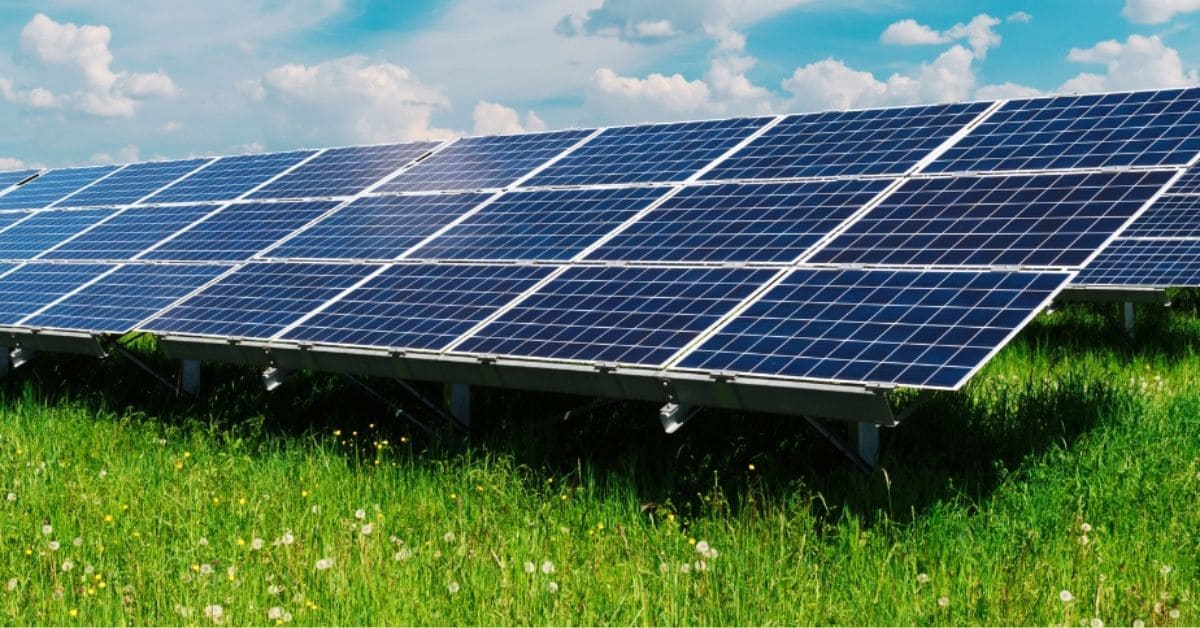
Solar power has been a key component of the latest energy solutions that provide business owners, homeowners as well as businesses with an economical environmentally-friendly and economical energy source. With the rising cost of electricity and growing awareness of environmental impacts, increasing numbers of people are embracing solar power as an effective alternative to conventional energy systems.
A properly installed solar system will not only lower your energy costs but also helps to create the sustainability of our future. This guide explains all you must learn about solar installations starting with selecting the right equipment and planning to the maintenance requirements and long-term advantages.
What Is Solar Installation?
Solar installation is the process of establishing the solar energy system generally comprised of solar panels as well as inverters, mounting structure as well as batteries to absorb sunlight and transform it into electricity.
The installation process makes sure that the system functions safely, efficiently and safely, supplying energy to industrial buildings, and commercial installations.
Why Solar Installation Matters
Solar energy has many advantages over traditional electricity sources:
- Save Money: Reduce or eliminate the cost of electricity in the course of time.
- Environment Impact Reducing carbon footprint, and dependence upon fossil fuels.
- Renewable Energy: Produce your own power and cut down on dependence on grids.
- Veracity: Modern solar systems offer reliable power, even in remote areas.
The combination of financial as well as the environmental advantages makes solar panels an excellent long-term investment.
Steps in a Professional Solar Installation
A well-executed solar installation involves several key steps:
1. Site Assessment
In advance of installation, an skilled assessment is conducted to determine:
- Tilt and orientation for the roof
- The sun’s rays and shading
- Structural Integrity
- Energy consumption patterns
This means that the system can be specifically designed to meet the needs of the site and helps maximize the energy output.
2. System Design
The process of designing a solar system includes planning energy consumption, selecting the correct number of panels, as well as determining the capacity of batteries. A well-designed system maximizes efficiency and costs-effectiveness.
3. Equipment Selection
Quality equipment is essential for long-term success. The components comprise:
- Panels for solar: monocrystalline or polycrystalline or thin-film
- Inverters convert DC power to usable AC electricity
- Batteries can be used to store excess energy and to use in low-light conditions.
- Structures to be hung: Check stability and long-term durability
Choosing a trusted product will ensure security and optimum output.
4. Installation
During installation:
- Panels are erected on roofs or in open areas.
- Electrical wiring is connected securely
- Inverters and batteries are incorporated
- System is tested for its functionality and safety
A proper installation is essential for effectiveness and durability.
5. Commissioning and Monitoring
Once the installation is completed, it will be installed and then linked to electrical networks. Monitoring tools enable users to monitor performance, spot issues and maximize energy use.
Benefits of Solar Installation
Reduced Energy Bills
Solar panels produce free electricity through sunlight, which significantly reduces monthly energy costs. In time, the savings could cover the initial investment, and then keep bringing financial benefits.
Environmental Responsibility
In addition to generating clean energy solar panels reduce greenhouse gas emissions as well as reliance in non renewable resources. This helps to maintain a healthy world and also supports the global goals of sustainability.
Increased Property Value
Businesses and houses that are solar-powered typically see an increase in property value. The buyers are aware of the long-term savings and environmental benefits of having a solar-powered house.
Energy Security
Solar panels provide energy independence, and reduce the risk of power interruptions or increasing electricity prices. With batteries users will have uninterrupted electricity even during blackouts.
Choosing the Right Solar Installation Provider
Selecting a reputable solar installation company will guarantee:
- Accurate assessment and design of the system
- Installation and quality equipment
- Safety standards that are in compliance
- Support and maintenance on a regular basis
A reliable service provider can increase the efficiency of your system, its longevity, in addition to overall happiness.
Maintenance Tips for Solar Systems
While solar systems require minimal maintenance however, some attention is needed to ensure their performance is optimal:
- Regularly clean panels to eliminate dust and other debris
- Make sure to check connections and wires regularly.
- Monitor output of energy to identify any decrease in efficiency
- Make sure you have a professional check-up every year.
A well-maintained system will ensure longevity in energy production and returns on the investment.
Common Myths About Solar Installation
- “Solar is too expensive” Although the initial cost may be costly, the savings on electric bills and other incentives make it economically viable in the long run.
- “Solar doesn’t work in cloudy areas” – Solar panels are still able to generate electricity even in the absence of diffused sunlight.
- “Solar requires constant maintenance” The majority of systems require little maintenance and are extremely durable.
- “Solar installation is complicated” Professional installers manage the process with ease and make it simple for customers.
The Future of Solar Energy
Solar technology is continuing to improve and offer:
- Panels with higher efficiency
- Battery storage is improved
- Automation and monitoring with smart technology
- Integration of electric vehicles
These advances make solar systems much more affordable, durable, and user-friendly allowing for greater acceptance across the world.
Final Thoughts on Solar Installation
Making the investment in solar installations is more than an investment in the financial market. It is a way to ensure sustainability, energy independence and a long-term financial savings. Through understanding the process of installation and selecting the right equipment and properly maintaining the system it is possible to harness the power of sun with efficiency.
If you install it correctly and with proper treatment, solar energy is an eco-friendly, reliable and cost-effective solution for business, homes as well as industries. It’s an investment that yields dividends over the years and contributes to a cleaner world.