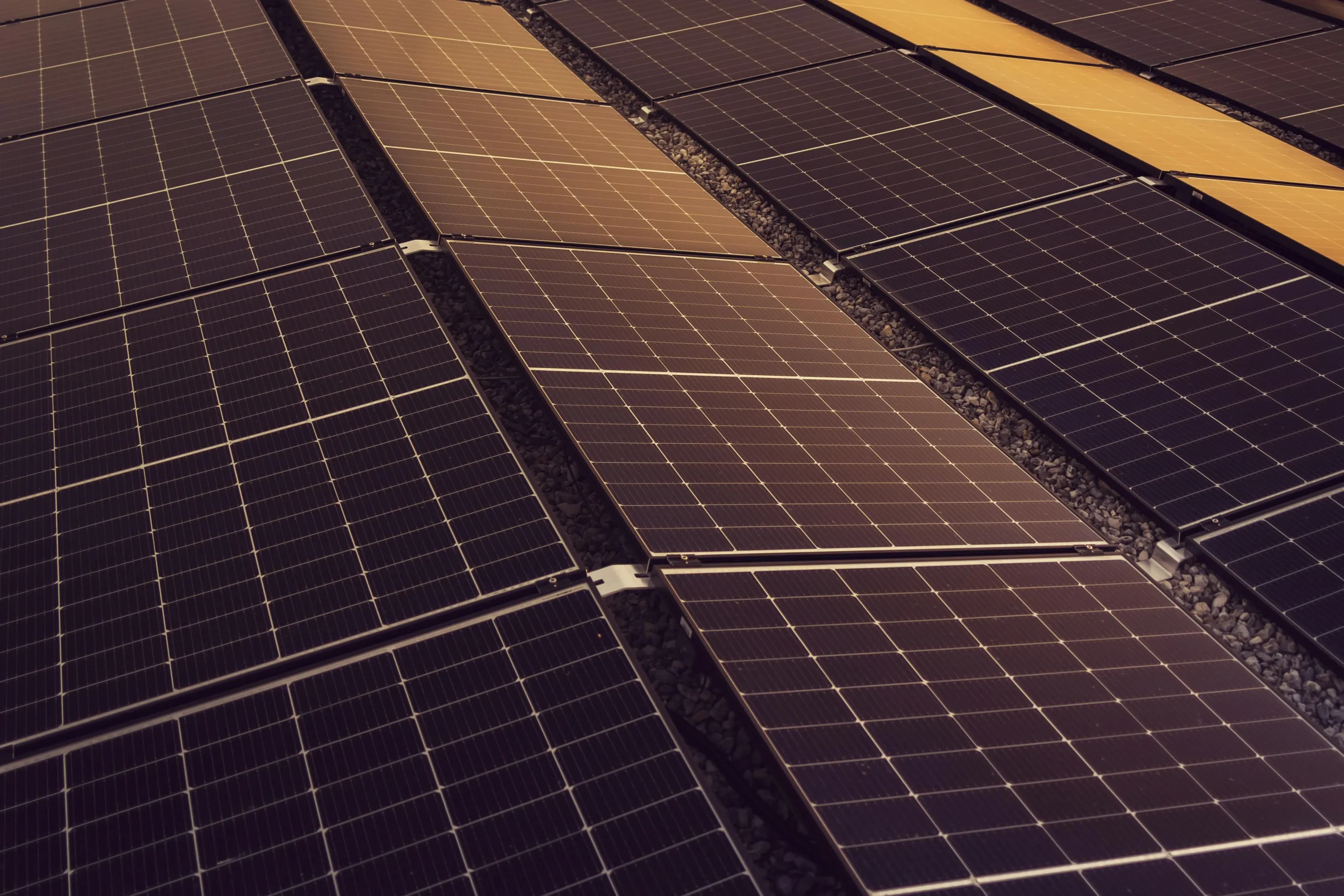
Pakistan is battling constant power shortages, lengthy load-shedding hours, as well as rapidly increasing electricity costs. For business and homeowners alike, the demand of dependable, efficient and long-lasting power source is never greater. This is why solar plate (solar panels) step in as an innovative option.
With the sun shining all year round and the government’s policies improving around net-metering and solar power is more accessible than ever before. In 2025 there will be thousands of shops, homes, factories and hospitals, schools as well as offices throughout Pakistan are moving to off-grid, on-grid or hybrid solar power systems to lower costs and be energy-dependent.
This comprehensive guide will take you through:
- What are solar plates? And how they function
- Different types of solar panels are available in Pakistan
- Latest solar plate prices (2025)
- What is the best solar panels for your home or your business
- Installation steps
- Tips for maintaining
- Government policies & net metering
- Analysis of savings and ROI
- Myths vs. factual
- The latest trends and the future prospects for solar-powered energy sources in Pakistan
Every piece of information adheres to E-E A-T principles (Experience Expertise, Experience, Credibility, and Authoritativeness) to assure accuracy, reliability and practicality in the real world.
What Are Solar Plates & How Do They Work?

Solar plates, often referred to by the name of solar panels are devices that collect sunlight’s energy and convert it into usable energy by using photovoltaic (PV) cells.
Basic Working Process

- Sunlight strikes the panel Photovoltaic cells absorb light.
- Electron movement takes place which creates DC electricity.
- An inverter converts DC power to AC power to make energy useable to power appliances.
- Electricity is utilized instantly or transferred via batteries to grids.
- Net Metering exports excess energy units subtract off your charge.
Types of Solar Panels Available in Pakistan
Knowing the kind of solar plate you pick is crucial to maximize efficiency and budgeting.
1. Monocrystalline Solar Panels
The most popular option in Pakistan
High efficiency (19%-23 percent)
Best performance in hot conditions
Long life (25plus 25+)
Space-saving design
More expensive
Ideal for: homes with little roof space, and businesses that require large energy output.
2. Polycrystalline Solar Panels
Efficiency moderate (16%-18 percent)
Lower cost than mono panels
Performance that is reliable
slightly larger in dimension is required
The best choice for Installations that are budget-friendly and have a sufficient roof space.
3. Thin-Film Solar Panels
Flexible and light weight
Lightweight and flexible. Low cost of manufacturing
The lowest efficiency (10%-12 10 to 12 %)
Short lifespan
is ideal for Temporary setups, portable installations and solutions (not suitable for businesses or homes).
Latest Solar Plate Prices in Pakistan (2025)
Price varies by brand city, as well as import rates. Below are estimates of market prices.
| Panel Type |
Price per Watt (PKR) |
Price for 550W Panel |
| Monocrystalline |
38 – 55 |
21,000 – 30,000 |
| Polycrystalline |
30 – 42 |
16,500 – 23,000 |
| Thin-Film |
22 – 30 |
12,000 – 16,500 |
Total system cost (with inverter, installation & wiring)
| System Size |
Home Use |
| 3kW |
PKR 450,000 – 650,000 |
| 5kW |
PKR 750,000 – 1,050,000 |
| 10kW |
PKR 1,400,000 – 1,900,000 |
| 20kW+ |
— |
Solar Systems Explained
Three major systems are used in Pakistan: three main types of system that are used in Pakistan:
1. On-Grid Solar System (Net Metering)
Connected to the grid of WAPDA/K-Electric
No batteries are required
Extra electricity exported and credit
The cheapest costs for setting up
Ideal for: Offices and homes with daily grid access.
2. Off-Grid Solar System
Independent of the grid
Backup battery is required
works in the event of outages and load shedding
More expensive installation cost
is ideal for rural areas or locations where power interruptions are long.
3. Hybrid Solar System
Grid + battery backup
Best flexibility
Power during outages
Most expensive option
is ideal for Hospitals and businesses that require continuous power.
How to Choose the Best Solar Plates for Your Needs
1. Calculate Your Electricity Usage
You can check for your month-long units (kWh) on your electric bill.
| Monthly Usage |
Recommended System |
| 200–350 units |
2–3kW |
| 400–600 units |
4–5kW |
| 700–1000 units |
7–8kW |
| 1200+ units |
10kW or higher |
2. Check Roof Space
The rule of averages:1kW system equals 80-100 sq feet of roof space
Be sure to keep the shade off of buildings or trees.
3. Choose Tier-1 Brands
Find:
- Warranty on performance (25 years)
- Quality certification for construction
- Local dealer support
Famous brands in Pakistan:
- Longi
- Jinko Solar
- JA Solar
- Canadian Solar
- Astronergy
Inverter & Battery Basics
Inverter Types
- Inverters of strings affordable and widely utilized
- Hybrid inverters – Battery-ready systems
- Micro inverters – Premium performance per panel
Battery Options
| Battery Type |
Lifespan |
Best Use |
| Lead Acid |
4 to 5 years old |
Low-budget |
| AGM/Gel |
3 to 5 years |
Moderate backup |
| Lithium-ion |
8-12 years old |
The best long-term investment |
Installation Process in Pakistan
- Site survey and energy audit
- System size calculation
- Panel & inverter selection
- Installation of a mounting structure
- Panel wiring
- Inverter connection
- AC/DC security installation
- Net metering application (on-grid users)
Net Metering Timeline
- Documentation: 5-8 days
- Meter approval: 2-4 weeks
- Final connection: 1 week
Government Policies & Net Metering
In Pakistan, the NEPRA net policy on metering permits:
Export excess power
Credits can be applied to your bill
Lower your bill by up to 90-100 percent
Ineligibility
The systems with a power output of up of 25kW are permitted under the residential net meters.
Return on Investment (ROI)
Example – 5kW System
Cost: PKR 900,000 Savings each month: PKR 30000 4-5,000 savings annually of more than PKR 400,000
The payback period is 2-2.5 Years
Payback time: 22.5 yearsSavings over the life of (20 Jahre): PKR 7-9 million
Maintenance of Solar Plates
The solar panels that are used located in Pakistan require only minimal maintenance.
Cleaning Tips
- Clean each three to four weeks
- Use soft cloth and water.
- Beware of harmful chemicals
Inspection
- Check loose wires quarterly
- Monitor inverter display daily
Common Myths About Solar Energy
Myth 1 Solar isn’t effective in clouds
Panels produce electricity in hazy or hazy sunshine.
Myth #2: Solar panels can break easily
Panels are able to withstand dust, storms and extreme heat, as well as the wind.
Myth 3 Solar systems require continuous maintenance
The truth is that simple cleaning suffices to ensure 95% efficiency.
Myth 4 The solar market is too expensive
In reality, the ROI of a business is under 3 years, and will save millions over the course of 25 years.
Latest Trends in Pakistan’s Solar Market (2025)
- The panels with the highest wattage (580W-610W) becoming standard
- Lithium battery use growing
- Hybrid inverter demand rising
- Smart monitoring applications for real-time monitoring
- Commercial rooftop solar expanding rapidly
- Agricultural solar tube wells replacing diesel pumps
Environmental Impact
Transitioning to solar energy:
Lowers emissions of carbon
Reduces fuel imports
Assists in maintaining the quality of air
Saves fossil fuels
A 5kW system offsets approximately. six tons CO2 each year which is equivalent to planting 170 trees per year.
Is Solar Worth It in Pakistan?
YES — 100% worth it.
For homeowners it reduces the cost of electricity to almost zero.
For companies it can stabilize operating costs and helps protect profit margins from the effects of energy inflation.
With the rising cost of fuel and a shift in guidelines, solar energy in Pakistan is not a luxury anymore, it is an absolute necessity.
Final Advice Before You Buy
Always choose Tier-1 panels.
Select hybrid systems for security backup
Employ experienced installers
Don’t make a mistake with the quality of your inverter
Request net metering as soon as you have installed
Conclusion
Solar panels located in Pakistan are the most secure, long-lasting and cost-effective energy option for both businesses and households. With little maintenance, increasing cost of grids, fantastic sunlight exposure, and robust policies, the transition to solar power by 2025 is more than just an fad, but will be an energy revolution.
No matter if you’re installing an 3kW system to power your home or the 50kW power plant for your business solar panels can give you long-term financial benefits along with environmental benefits in addition to energy independence.