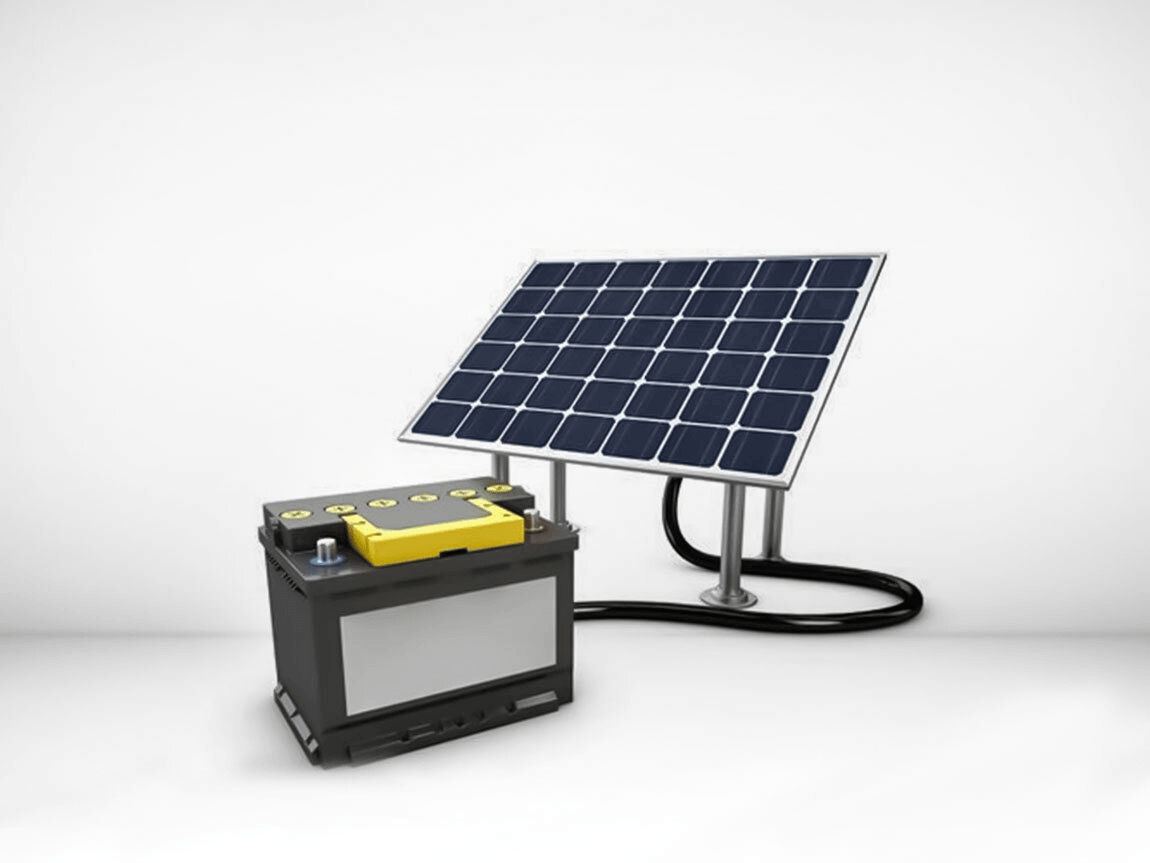
In the age of frequent power cuts and rising electricity bills, the term “solar battery” is becoming a household name across Pakistan. If you’re exploring solar energy solutions, understanding the role, types, pricing, and installation of a solar battery is crucial. This article will walk you through everything you need to know when choosing a solar battery for your home or business with Solar Switch Pk.
What is a Solar Battery
A solar battery stores the electrical energy generated by your solar panels during the day so you can use it at night, during load-shedding or when the grid power fails. It acts as the backbone of a hybrid or off-grid solar system, ensuring that your appliances keep running and your investment in solar doesn’t go to waste when sunlight isn’t available.
Why Use a Solar Battery in Pakistan
Given Pakistan’s climate, energy infrastructure and frequent outages, a solar battery offers several advantages:
- It gives backup power during load-shedding and blackouts.
- It maximizes usage of solar power rather than sending excess to the grid (or losing it).
- It enhances energy independence and can help reduce monthly electricity bills over the long run.
- It protects critical loads — such as refrigerators, freezers, servers or essential home appliances.
Types of Solar Batteries Available in Pakistan
When you go to buy a solar battery in Pakistan, you’ll encounter different types. Each has its pros and cons.
Lead-Acid Batteries (Tubular / Flat-Plate)
These are the traditional batteries used in many homes for solar setups. They are relatively affordable and widely available. However, they require maintenance (especially water topping in flooded types) and have shorter lifespans.
Gel & AGM Batteries
These are sealed lead-acid variants (maintenance-free) that reduce the hassle of water topping, are safer for indoor installations, but cost more than basic lead-acid types.
Lithium-Ion Batteries (LiFePO₄ / LFP)
These are premium batteries: higher efficiency, longer lifespan, compact size, virtually maintenance-free. In Pakistan they come at a higher price. But if you plan for long-term, they often make sense.
Solar Battery Price in Pakistan (2025)
Here’s a breakdown of what you can expect in terms of price for different battery types and capacities in Pakistan:
- Lead-Acid (tubular, typical home size): roughly PKR 30,000 – PKR 70,000.
- Gel / AGM: around PKR 35,000 – PKR 100,000, depending on Ah rating and brand. Lithium-Ion: from PKR 120,000 – PKR 300,000+ for residential size.
Prices depend on capacity (Ah or kWh), brand, warranty, import duties, and whether the battery is local or imported.
How to Choose the Right Solar Battery
When selecting a solar battery, here are key factors to consider:
1. Capacity & Your Load
Determine how much energy you need to back up: number of hours, appliances, and load size. The battery should match the inverter system and your usage pattern.
2. Depth of Discharge (DoD) & Cycle Life
A battery that allows deeper discharge (e.g., 80–90%) without damage gives more usable energy. Lithium batteries typically allow higher DoD and more cycles, meaning longer life.3. Maintenance Requirements
Lead-acid (flooded) need water topping, cleaning, ventilation etc. Gel/AGM need less. Lithium nearly none. Knowing your willingness for maintenance helps choose.
4. Temperature & Climate Suitability
Pakistan’s hot climate affects battery life. Batteries installed in shade, with ventilation, will perform better. Tubular and lithium types tend to hold up better in high heat.
5. Brand, Warranty & Support
Choose a reputable brand with local support, genuine warranty. Import-duty issues and warranty claims matter in Pakistan.
6. System Compatibility
Ensure battery voltage matches your inverter / solar system setup, that the inverter supports that battery type, and that you have proper controllers/management.
Installation & Maintenance Tips for Solar Batteries
Here are practical tips to ensure your solar battery performs well and lasts longer:
- Place the battery in a cool, ventilated area, away from direct sun and rain.
- Clean terminals regularly to avoid corrosion
- Monitor voltage and charge/discharge cycles.
- Avoid complete deep discharge frequently (especially in lead-acid types).
- For lead-acid, keep water levels right (if flooded type).
- Use charge controllers and proper wiring for safety.
- Use original or recommended accessories to protect the battery and system.
Solar Battery: Budgeting Considerations
Adding a solar battery will increase your up-front cost compared to a solar system without storage. When you budget for a system:
- Include the battery price + installation + auxiliary items (mounts, wiring).
- Consider the long-term savings: fewer replacements, less maintenance, better efficiency.
- Decide whether you want full backup (night + load-shedding) or just daytime usage.
- Factor in the lifespan: cheaper battery that lasts 3–4 years may cost more over 10 years than a premium one that lasts 10+ years
Common Misconceptions & Mistakes
- Thinking cheaper is always better: With batteries, low upfront cost may lead to high maintenance, short life.
- Not matching battery voltage/inverter compatibility: mismatches cause inefficiency or failure.
- Installing battery in poor environment (heat, moisture) which reduces lifespan.
- Neglecting brand support and warranty issue: local after-sales matter.
- Ignoring total system design: battery alone doesn’t fix a weak solar/inverter system.
Why Solar Battery Is a Smart Investment Today
If you’re switching to solar with Solar Switch Pk, a solar battery offers:
- Greater autonomy from the unreliable grid.
- Ability to use solar energy even when panels aren’t producing (night/time of less sun).
- Protection of sensitive devices during power cuts.
- Improved ROI of your solar setup when designed properly.
- Readiness for future expansions or smarter energy use (EVs, smart homes).
Which Battery Type Should You Choose?
Here is a simplified recommendation:
- Budget-conscious home, moderate usage: Tubular lead-acid battery.
- Moderate budget, low maintenance: Gel/AGM sealed battery.
- Long-term investment, high usage, minimal maintenance: Lithium-Ion (LiFePO₄) battery.
Final Thoughts
A solar battery is more than an accessory — it’s the key component that transforms your solar system from “day-time only” to “any-time” energy availability. At Solar Switch Pk, we believe in helping our clients choose the right solar battery for their needs — balancing affordability, performance, and lifespan.
If you are ready to take control of your energy future, consider the solar battery as your strategic upgrade. Combine it with quality panels, a reliable inverter, and proper installation and you’ll be well on your way to a more efficient, independent, and green energy setup in Pakistan.